Yoga for People Who Think They Hate Yoga
It is probably not yoga you dislike — it is the version you tried.
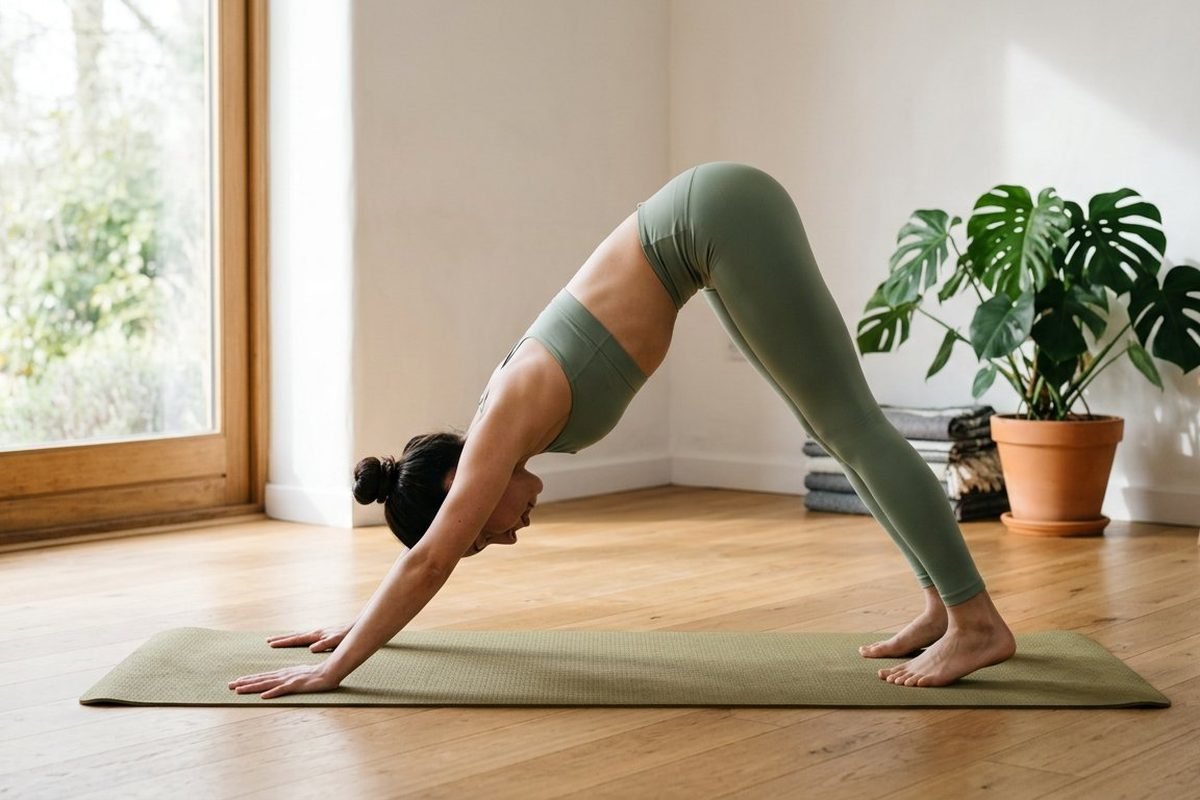
The most common reasons people give for hating yoga are: it was too fast, they could not follow the instructions, everyone else seemed to know what they were doing, and they spent the whole class thinking about how bad they were at it. Notice that none of those are about yoga. They are about a badly matched class.
Yoga is not one thing
The word covers everything from a restorative practice where you hold four poses for five minutes each to a power flow that is essentially a conditioning class in a warm room. Those are as different as swimming and sprinting. Disliking one tells you nothing about the other.
- **Restorative / yin** — long holds, props, very little movement. Good if you want to slow down.
- **Hatha** — slower pace, individual poses, more instruction. The best entry point for most people.
- **Vinyasa / flow** — poses linked by breath, faster, more cardiovascular. Good if you want to move.
- **Iyengar** — extremely precise alignment, heavy prop use, slow. Good if you want detail and support.
- **Chair / accessible yoga** — everything supported by a chair. Excellent for limited mobility or injury.
- **Online** — pause the video. This is unfairly underrated for beginners.
The single biggest advantage of online yoga
You can pause. You can rewind. You can look at the screen during a pose instead of trying to remember three instructions while balancing. For a beginner, that is worth more than any studio's atmosphere.
Three things that make it click
1. Bend your knees
Nearly every frustrating yoga experience involves trying to keep legs straight in a forward fold or downward dog. Bend your knees generously until your back can be long. Yoga is not a hamstring competition and no teacher worth their salt will mind.
2. Use props without apology
Blocks exist because bodies differ. Hands on blocks in a lunge, a blanket under your hips in a cross-legged seat, a strap around your foot: this is not a beginner's crutch, it is the correct use of equipment. Many teachers practise with props for decades.
3. Ignore the spiritual framing if it is not for you
You can take the movement, the breathing and the ten minutes of quiet, and leave the rest. Plenty of people practise for thirty years for purely physical reasons. No one is checking.
A five-minute test
Before you decide you hate yoga, try this: cat–cow for a minute, downward dog with bent knees for a minute, a low lunge for ninety seconds each side, and five slow breaths lying on your back. If your body feels better afterwards than before, you do not hate yoga — you just have not found your version of it yet.
Keep reading
How to Start Working Out Again (Without Quitting in Week Three)
Most people who restart exercise quit within a month, and it is rarely a willpower problem. Here is the evidence-based way to structure the first eight weeks so that week five is easier than week one.
Your First Week at the Gym: A Survival Guide
The gym is not complicated, it is just unfamiliar. A practical guide to your first week: what to bring, how to structure a session, and the unwritten rules that make you look like you belong.