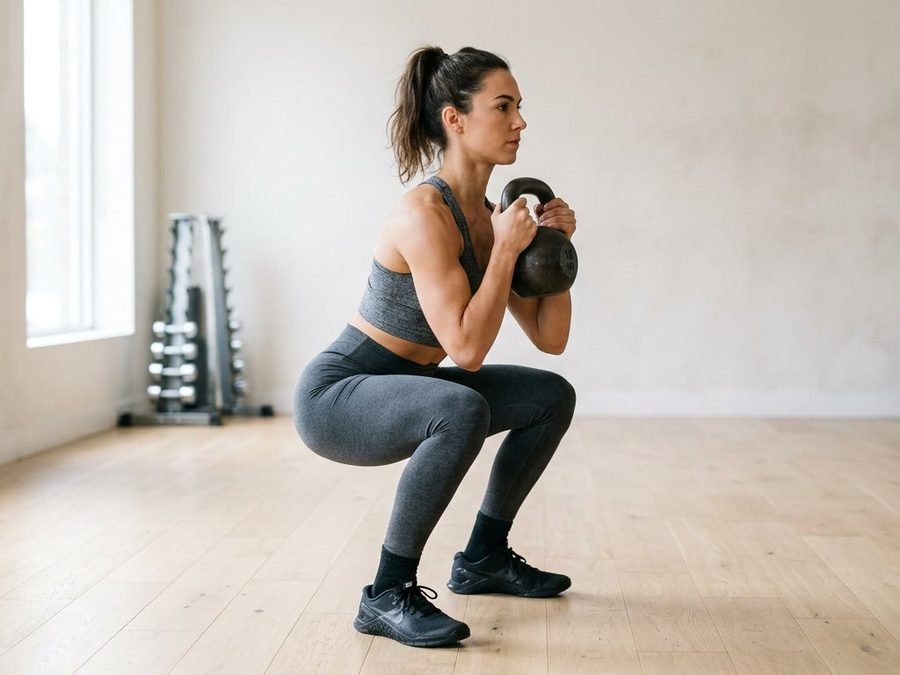
Goblet Squat: The Complete Beginner's Guide
The best first squat variation for beginners: how to hold the bell, how deep to go, and the three fixes for every common fault.
The widest range: strength progression, conditioning and sport support. Every guide below is written with this age group in mind — the loading, the range of motion and the recovery guidance all change.
The best first squat variation for beginners: how to hold the bell, how deep to go, and the three fixes for every common fault.
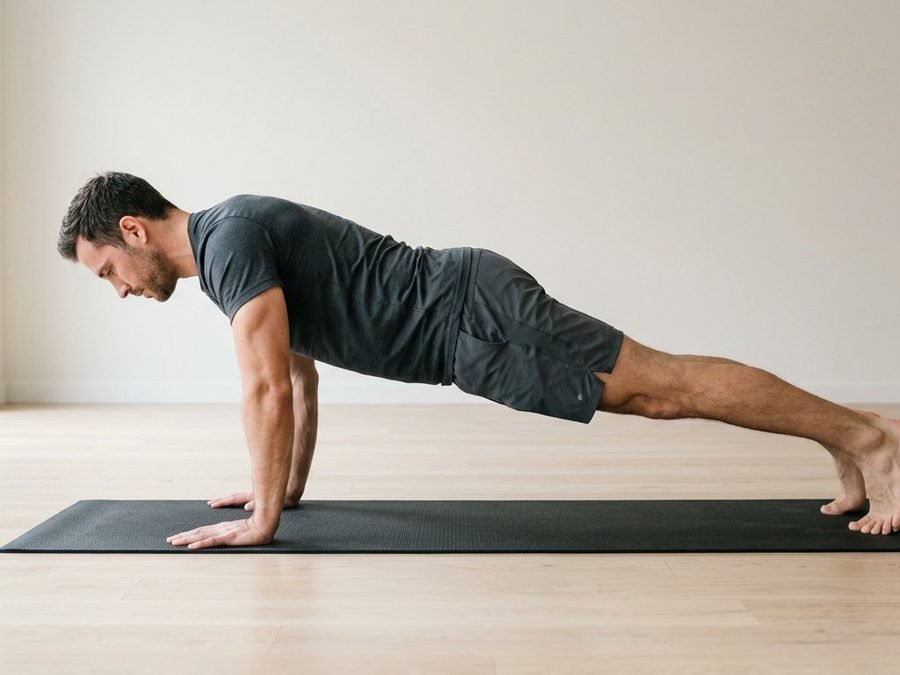
A four-step progression from wall push-ups to full reps, with the hand position, elbow path and core cues that make the difference.
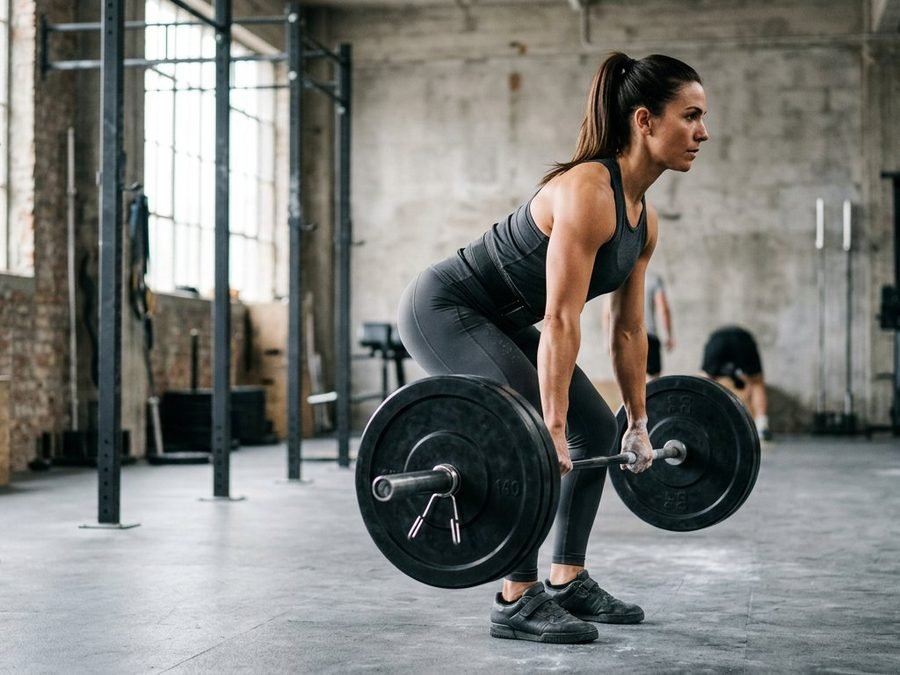
A complete deadlift set-up: bar position, hip height, bracing and the pull. Plus when to use a trap bar instead.
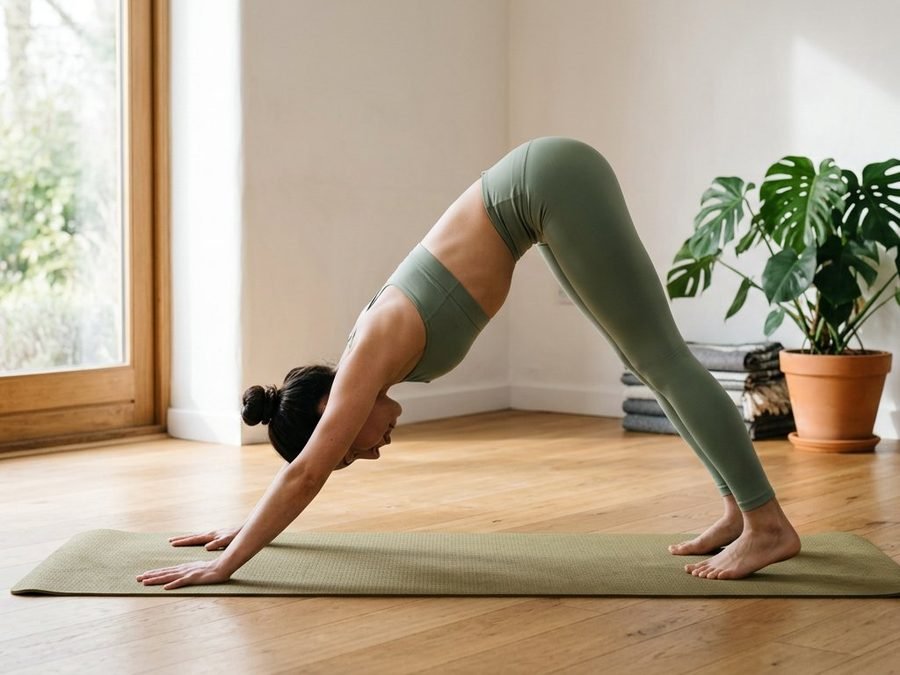
A gentle sequence that moves every major joint, wakes up your spine and takes fifteen minutes — no flexibility required.
Four movements, five rounds, twenty minutes. A full-body session that works in a living room and scales from beginner to advanced.
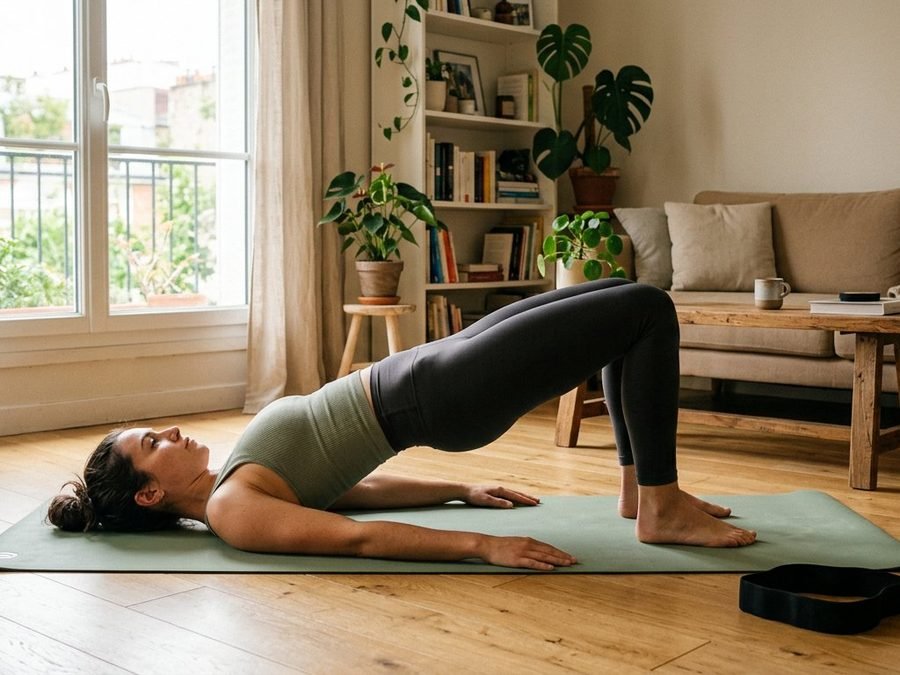
A spine-safe core exercise that trains the deep abdominals to hold position — the skill that protects your back under load.
A 20-minute interval session with a low-impact option, plus honest guidance on how often to do HIIT and when to stop.
What zone 2 actually means, how to find it without a lab test, and how much easy cardio you need for a bigger engine.
Eight movements covering ankles, hips, spine and shoulders — the joints that stiffen from sitting, in ten minutes flat.
Six movements you can do in office clothes, no mat and no sweat, that reverse the stiffness of a long sitting day.
Start with two sessions a week, full body, and keep them deliberately easy for a month. Our guide to starting again explains exactly how to structure it.
Most people who restart exercise quit within a month, and it is rarely a willpower problem. Here is the evidence-based way to structure the first eight weeks so that week five is easier than week one.
The gym is not complicated, it is just unfamiliar. A practical guide to your first week: what to bring, how to structure a session, and the unwritten rules that make you look like you belong.
If your only experience of yoga was a crowded room, a fast flow and no idea what to do with your arms, the problem was the class, not you. Here is how to find a version that fits.
HIIT is time-efficient; steady cardio is recoverable. The evidence suggests most people should do far more easy cardio and far less HIIT than they currently do. Here is how to split your week.
Training is the stimulus; recovery is where adaptation happens. What actually matters — sleep, protein, rest days and when to take a deload week — and what is mostly marketing.